A fantastic leap for eco-engineering in the UK marine sector
1 juillet 2026By Seawork Press FP
Inland & Coastal Marine Systems
Share this article
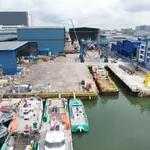
Inland and Coastal Marine Systems has supported Shoreham Port in delivering the Southwick Reef project – now recognised as the UK’s largest living seawall.
Inland and Coastal Marine Systems supplied 100 Living Seawalls panels, designed to retrofit onto existing harbour infrastructure and transform it into a thriving marine habitat.
Living Seawalls were selected to enhance biodiversity without compromising the integrity of the port’s coastal defences. By introducing textured, habitat-rich surfaces, the project reimagines traditional marine structures as active ecosystems, while also contributing to ongoing scientific research and wider sustainability goals.
Working within a busy, operational port environment brought a number of complexities. The installation area was located within the intertidal zone – between Mean High Water Springs (MHWS) and Mean Low Water Springs (MLWS) – which significantly restricted both working height and installation windows.
All works had to be carefully timed around low tides, creating short, high-pressure construction periods. In addition, the exposed and often windy conditions at the site increased both installation difficulty and the long-term durability requirements for the panels.
Retrofitting onto existing sheet pile harbour walls also required a sensitive engineering approach to ensure the integrity of the coastal defences was not compromised. The project programme faced further delays due to extended timelines in securing the Marine Management Organisation (MMO) licence.
“This was a technically demanding project, particularly given the tidal constraints and exposed conditions we were working in,” says Smitesh Hankare, Engineering Project Manager at Inland and Coastal. “Careful planning and collaboration were key to ensuring the panels could be successfully integrated without impacting the existing harbour structures. It’s incredibly rewarding to see a project like this come to life – one that not only meets engineering requirements but also delivers real environmental value.”
The Southwick Reef project is a fantastic leap for eco-engineering in the UK marine sector. By adding habitat features into the coastal infrastructure itself, it shows that engineering and sustainability can fit together in a practical way.
The seawalls now provide new habitats for marine species, contributing to increased biodiversity along the harbour arm. At the same time, the project supports a wide-ranging research programme led by the University of Brighton, including biodiversity monitoring and studies into the social value of marine enhancements.