
Loading...
CAREERS & TRAINING
COMMUNICATIONS
Follow the link to find out how to become a Navigator.
Marine communication involves ship-to-ship and ship-to-shore communication. Originally semaphores and flags were a primary form of communication for ships out at sea.
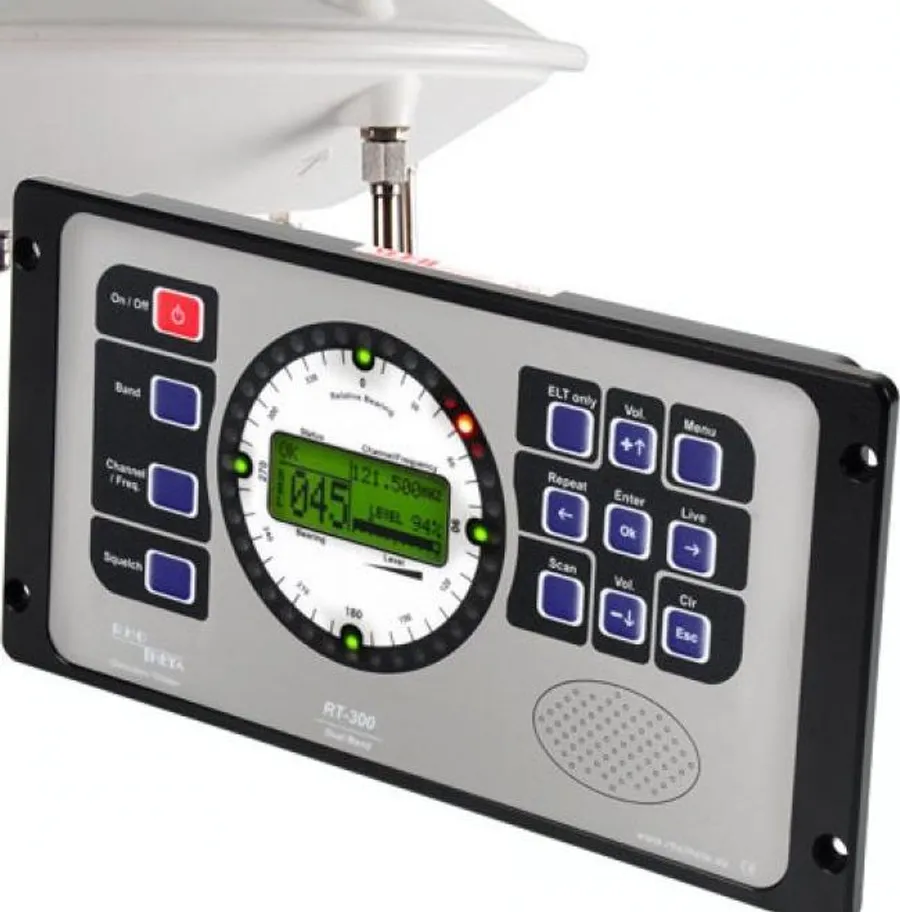
Today communication systems can be complex and involve the use of onboard systems via shore stations and satellites. VHF radio made ship-to-ship communication a reality, and now Digital Selective Calling (DSC) allows for greater communication capabilities including remote control commands that could transmit and receive distress signals, place urgent safety calls, and put out routine messages. Today, DSC controllers are often integrated with the VHF radio in line with updates regarding SOLAS (Safety of Life at Sea) requirements.
There are a variety of radio communication systems that must be carried on board ships, the exact requirements vary based upon the area a ship is navigating.
Image Credit: Du Pre Marine
Qualifications and Training
As with other maritime careers, the larger the vessel the more complex the need for effective communications and the more technically trained the people must be to be able to use and maintain those communications.
Both the Royal Navy and Merchant Navy offer excellent ways to learn the modern uses and maintenance of onboard communications. This can be by way of direct entry after school or after university, either as rating or officers.
There are also a variety of jobs in other maritime organisations such as the Maritime and Coastguard Agency (MCA) and Port Authorities where communication is key.
At the MCA you could become a Maritime Operations Officer. As this is a Civil Service job you can find out about how to enter and the qualifications you need by following the Department of Transport link below.
Vessel traffic services operatives work in a port or harbour control centre, controlling the safe movement of ships and boats around the port/harbour area. They use marine radar and communicate with vessels by VHF radio, radio telephone and other electronic means. There are routes into this career even if you don’t have prior maritime experience. You will have to complete a range of courses including the VTS Operators course.
Salary Brackets
Up to around £45,000 with experience
Colleges/Universities
Maritime and Coastguard Agency
https://hmcoastguard.uk/careers
https://careers.dft.gov.uk/mca/
South Shields College VTS courses
https://www.stc.ac.uk/courses/
Companies/Organisations Offering Apprenticeships
Department of Transport