
Loading...
CAREERS & TRAINING
CREW
Follow the links to find out how to become a Vessel Operator and how to become the Master or Skipper of a commercial vessel.
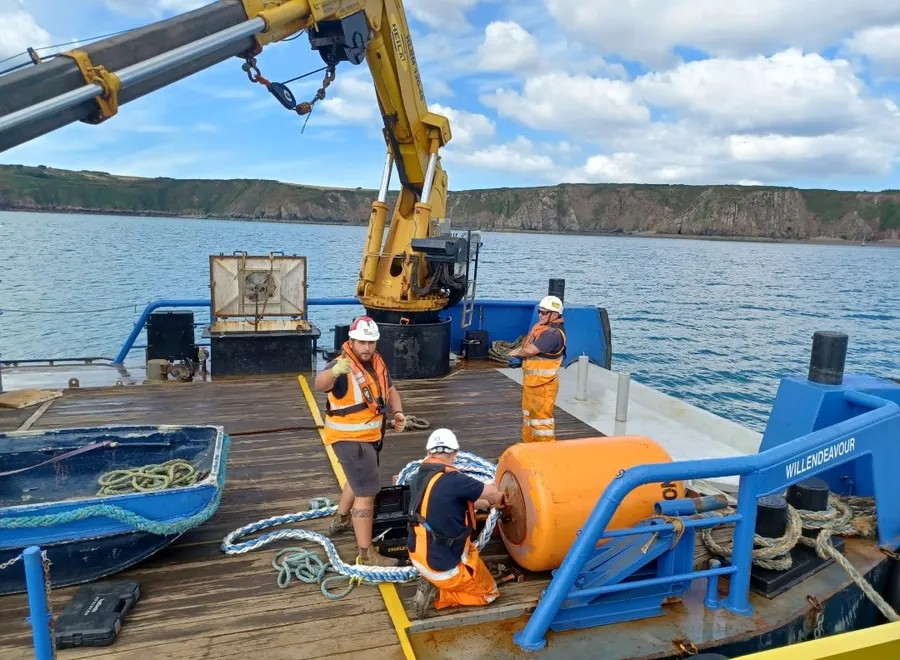
The crew of a boat undertake the essential work to allow the vessel to operate at sea. The duties of crew can vary widely, depending on the type and size of vessel.
On smaller commercial vessels the crew may be involved in every aspect of the vessel’s operations, including rope handling, keeping watch, navigating, assisting with loading and unloading passengers and cargo, maintenance, cleaning and even basic cooking.
On larger commercial vessels crews tend to specialise in just one of those areas.
Many crew start as trainees on board and work their way to more specialised roles by gaining experience and undertaking specific courses.
There are opportunities to receive excellent crew training as you work in both the Royal and Merchant Navy. You can also train to work as a crew member in the Superyacht industry.
Qualifications and Training
There are so many opportunities and job paths if you want to work at sea.
You can learn as you work, by applying to become a member of a vessel’s crew, go to college to undertake specific courses, such as a Diploma in Sea Fishing or Deck Rating in the Merchant Navy or take up an apprenticeship.
Once working as a crew member there are also great opportunities to progress in your career and to increase your wages.
You could work towards becoming a skipper. Inshore skippers can operate their own small boat (up to 16.5m). Further training is needed for larger vessels.
It’s a good idea to get some core qualifications at GCSE level but some skippers and companies that operate vessels will consider training you as a crew if you show a real interest in working at sea.
Getting experience of working at sea in a safe and structured way is always a good idea.
If you are working on larger commercial vessels, you will need to have a medical examination. This is to prove that you are in good enough health and fitness to carry out your duties.
Salary Brackets
From around £18,000 - £26,000 with experience and qualifications
Colleges/Universities
Merchant Navy
https://www.careersatsea.org/careers/
Royal Navy
https://www.royalnavy.mod.uk/careers/role-finder
UKSA
https://uksa.org/course/professional-training/superyachts/superyacht-deckhand-course/
Warsash Maritime School
https://maritime.solent.ac.uk/superyacht-training
SeaRegs Training Ltd
www.searegs.co.uk
Maritime Skills Academy
https://www.maritimeskillsacademy.com/
National Maritime Training Centre
https://www.northkent.ac.uk/commercial-courses/national-maritime-training-centre
Offshore Marine
http://www.offshore-marine.co/