
SOUTHAMPTON, UK
  • INFO
    • About Seawork

    • Commercial Marine Careers

    • Floorplan

    • Seawork App

    • Seawork Membership

    • Sponsors

    • Supporters

    • Sustainability & Waste Policy

    • Frequently Asked Questions

  • VISIT
    • Why Visit?

    • How to Attend

    • Make the Most of Visiting

    • Travel & Accommodation

    • Seawork Catering

  • EXHIBIT
    • Why Exhibit?

    • Exhibition Brochure

    • Register Your Interest

    • Make the Most of Exhibiting

    • Exhibiting Sustainably

    • Testimonials

  • EXHIBITOR LIST
    • 2026 Exhibitors

    • 2025 Exhibitors

  • WHAT'S ON
    • Seawork 2026 Schedule

    • Seawork Conferences

    • Seawork Insights (NEW)

    • Get Set for Workboat 2050

    • Speed@Seawork

    • Seawork Awards

    • Innovations Showcase

    • Pavilions & Trails

    • Cardboard Boat Regatta

    • Future Seawork

    • Training & Careers Day

  • MEDIA
    • Seawork Media

    • News

    • Press Releases

    • Show News

    • Social Media

    • Supporter Kit

    • Podcasts

    • Gallery

  • MARITIME JOURNAL
  • Show more
Seawork

EXHIBITION ADDRESS

Mayflower Park SouthamptonSO14 2AN, United Kingdom

CONTACT THE SEAWORK TEAM

+44 1329 825 335sales@seawork.compress@seawork.com
FAQsSustainability & Waste Policy Floorplan
Privacy PolicyTerms & ConditionsContact Us

Copyright © 2024. ExpoPlatform. All rights reserved.

Sponsor Banner

CAREERS & TRAINING

https://di9mr54a05a64.cloudfront.net/api-mercatormedia.expoplatform.com/image/MTY4NjE0MzEzMzY0ODA4MDlkMjRmNjQ=.jpeg

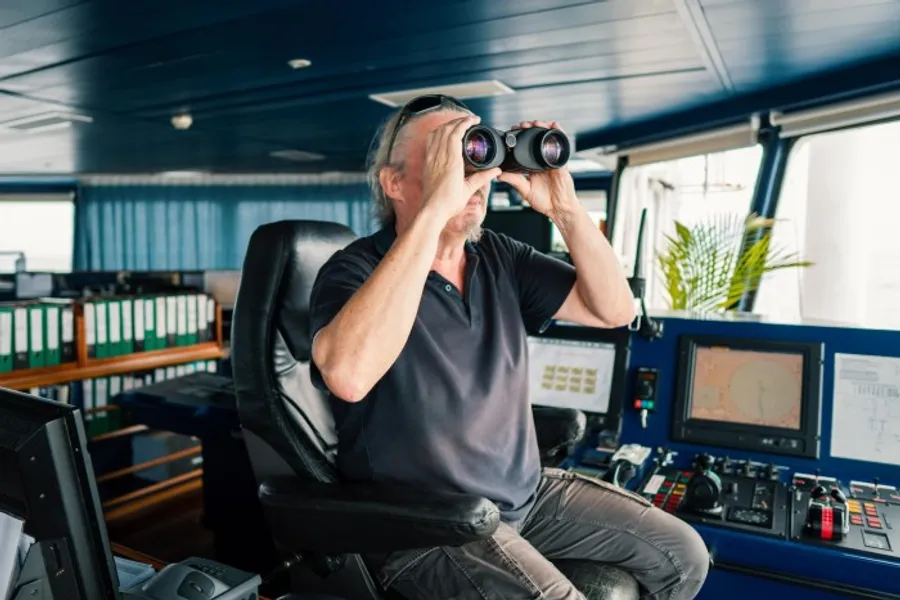
SKIPPERS


Follow the links to find out how to become a Vessel Operator and how to get onboard as Crew.


There is a wide variety of vessels operating in the commercial marine industry, including fishing boats, Pilot boats, Crew Transfer vessels, tugs and patrol boats.


Every vessel needs to have someone in charge of it at sea, usually known as the Skipper or, in larger vessels, the Master.


The Skipper manages the crew and the vessel, paying particular attention to the safety of the crew, the vessel and other vessels at sea.

Qualifications and Training

Qualifications vary depending on the size and type of vessel, how far out to sea the vessel is working and how many crew or passengers are on board.


All skippers require experience at sea and so many skippers start as deck hands, cadets and trainee officers.


If you are planning to become a Skipper or Master of a large, sea-going vessel you may want to consider a career in the Merchant Navy or in the Royal Navy. Depending on your school or college results you can enter as a cadet or rating, or on an officer training course.


If you would like to work on smaller workboats or fishing vessels you could acquire your skills by combining time at sea as crew and completing basic sea safety training – under STCW (Standards of Training, Certification, and Watchkeeping Convention) – approved by the Maritime and Coastguard Agency, as well as passing a medical check.


Salary Brackets

£20,000 - £60,000 This is a guide given by the UK Government for a Fishing boat skipper.


Colleges/Universities

The Maritime and Coastguard Agency contains links to approved providers of training for commercial skippers

https://www.gov.uk/government/publications/mca-approved-nautical-colleges-yacht-deck-and-small-vessel-engineer-training-providers


Merchant Navy Careers at Sea

https://careersatsea.org/


Royal Navy

https://www.royalnavy.mod.uk/careers/levels-of-entry

Text editor image

 GOOD TO KNOW
To be a Fishing boat skipper you can start as a deckhand at sea and learn on the job. You'll usually need around 18 months' experience before you can skipper a boat. You'll also need to have completed mandatory basic safety training for sea survival; firefighting; health and safety and first aid
Intermediate apprenticeships
Intermediate apprenticeships are the entry-level apprenticeship for those looking to make a start in the world of work. Available to anyone from the age of 16, with no maximum age limit, they’re also a great option for anyone looking to make a career change. You’ll need five GCSEs grade A*-E/ 3-9 including Maths and English, as well as a Science subject to apply for an engineering or technical role, or two National 4s including Maths and English (or equivalent).
Advanced apprenticeships
You can apply for an advanced apprenticeship if you have five GCSEs or National 4 (or equivalent), including Maths and English, as well as a Science subject to apply for an engineering or technical role, or you’ve completed an intermediate apprenticeship or similar Level 2 qualification. They’re full-time roles, with a competitive salary and they’re a great way to develop specialist skills.
Higher apprenticeships
Higher apprenticeships are available to anyone over the age of 18 who is looking for an alternative to attending university. You’ll need at least five GCSEs or National 5 + Highers (or equivalent) including Maths and English, as well as a Science subject to apply for an engineering or technical role. Additionally, you’ll require a minimum of two A levels or a level 3 equivalent qualification.
Degree apprenticeships
Degree apprenticeships are great for 18–19-year-old school leavers looking to gain a degree while also starting their career journey. It’s the perfect option for those who can’t decide between an apprenticeship and university. They’re also a great option for anyone looking to make a career change.

SEAWORK 2026 DATES & TIMES
09:30 - 17:30 Tuesday 9 June 2026
09:30 - 17:30 Wednesday 10 June 2026
09:30 - 16:00 Thursday 11 June 2026

SEAWORK 2027 DATES
Tuesday 15 June 2027
Wednesday 16 June 2027
Thursday 17 June 2027